Balneotherapy: What It Is and How It Works at Home
When the shoulders remain lifted long after the day has ended, warm water can feel like the first place the body is allowed to soften.
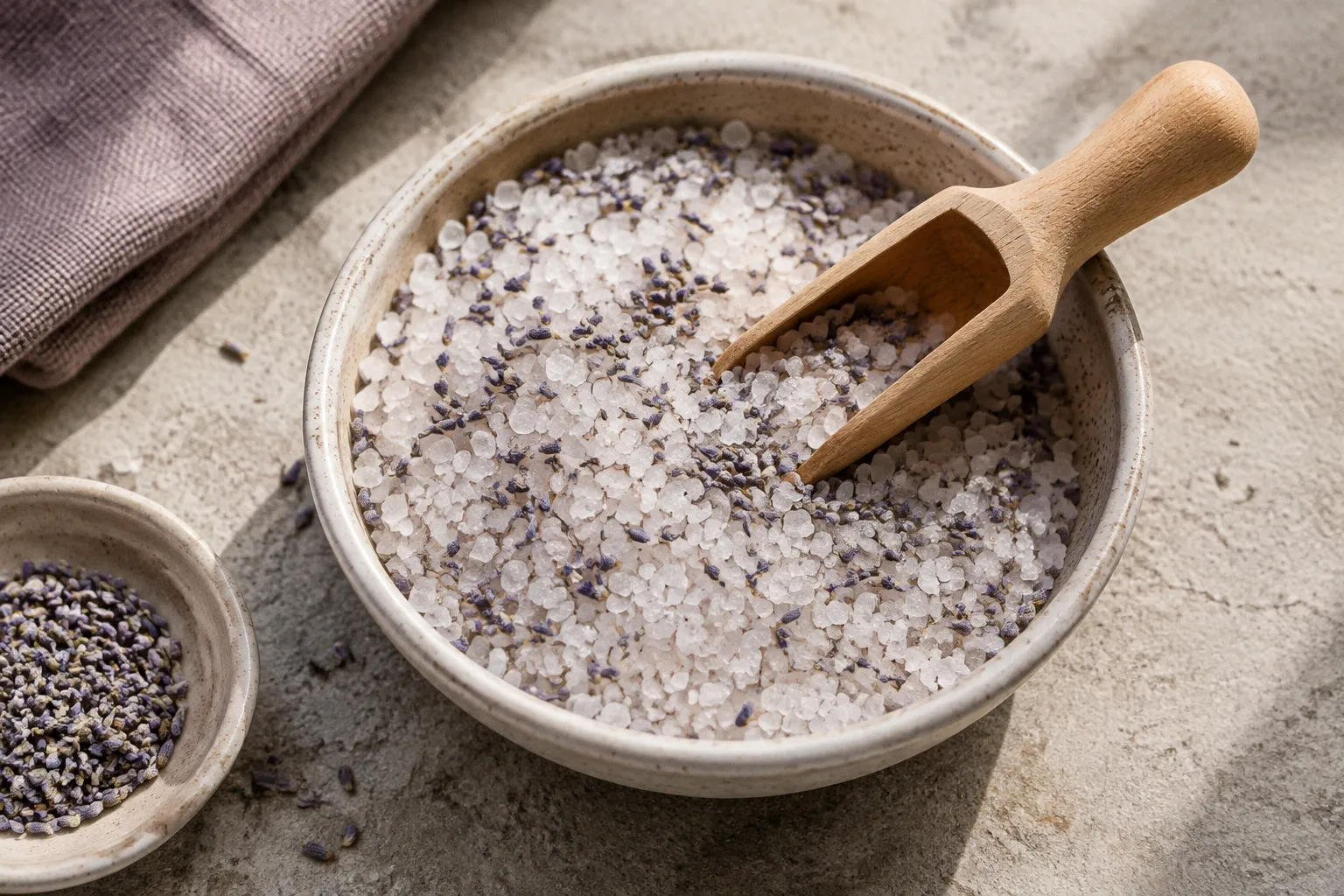
Add mineral salts, dim the light, and slow the pace of the routine, and an ordinary bath begins to resemble something more intentional: a mineral-rich bathing ritual designed around warmth, immersion, and restoration.
That is the gentle appeal of balneotherapy. It is not simply any bath with a beautiful label or a handful of salts scattered across the surface. Traditionally, balneotherapy refers to bathing in mineral-rich or thermal waters, often at natural springs, where the water has a particular mineral composition. At home, we can recreate some of the sensory and restorative qualities of that experience with a carefully prepared bath, while staying honest about what a domestic ritual can—and cannot—replicate.
What is balneotherapy?
The word balneotherapy comes from the Latin balneum, meaning bath. In its traditional form, it describes the therapeutic use of mineral-rich, thermal, or mineral-gas waters to support physical wellness and treat certain health conditions under appropriate supervision.
The mineral content is central to the definition. Clinical thermal waters are not merely warm tap water. Natural balneotherapy settings may contain sulfur, magnesium, bicarbonate, sulfate, or other dissolved minerals, and the composition of the water is part of what gives the treatment its character. Natural thermal mineral water is generally classified using both temperature and dissolved mineral content; the research foundation commonly refers to water temperatures of at least 20°C and a mineral concentration of at least 1 gram per liter.
That distinction matters because the phrase is now used rather freely in bath and beauty culture. A warm bath with a few fragrant botanicals may be deeply calming, but fragrance alone does not make it balneotherapy. A shower steamer can create an enveloping aromatic atmosphere, yet it does not provide mineral immersion. A handmade soap can transform the feel of cleansing, but it is a wash product rather than a mineral bath treatment.
In my practice, I find it useful to separate three layers of the experience:
- Immersion: the body is surrounded by warm water, which can encourage physical release and a slower breathing rhythm.
- Mineral preparation: salts or other mineral-rich bath products are dissolved into the water.
- Ritual pacing: the bath is approached as a restorative pause rather than a hurried cleansing task.
The third layer is not decorative. A restorative routine depends on how it is performed. If the bath is too hot, too long, heavily fragranced, or followed by vigorous towel-drying, the body and skin may leave the tub feeling more depleted than when they entered.
A mineral bath is not defined by the number of ingredients in the water, but by the quality of the immersion: warm, measured, mineral-rich, and unhurried.
Balneotherapy versus hydrotherapy: similar sensations, different practices
Balneotherapy and hydrotherapy overlap in the language of warmth, water, and physical relief, but they are not interchangeable terms.
Hydrotherapy uses water in different forms—ice, liquid water, or steam—with an emphasis on temperature, pressure, buoyancy, and movement. A cool compress, a contrast shower, a steam room, and a warm soak may all be described within the broad field of hydrotherapy. The water does not need to contain a specific mineral composition.
Balneotherapy is narrower. It requires mineral-rich, thermal, or mineral-gas water. The mineral profile is not incidental; it is part of the treatment concept.
| Feature | Hydrotherapy | Balneotherapy |
|---|---|---|
| Primary medium | Water in liquid, ice, or steam form | Mineral-rich or thermal water |
| Main emphasis | Temperature, pressure, buoyancy, and movement | Immersion in water with a defined mineral character |
| Typical setting | Home shower, pool, compress, steam room, therapeutic facility | Natural thermal spring, mineral bath, or carefully prepared mineral bath |
| Domestic example | Warm shower followed by a brief cool rinse | Warm bath prepared with Epsom salts or sea salts |
| What should not be assumed | That warmth alone provides mineral therapy | That a home salt bath duplicates a clinical spring treatment |
This difference is especially important when discussing mineral bath therapy benefits. Warm water may support a sense of relaxation and physical ease through heat and buoyancy. The ritual of preparing the bath can also create a meaningful transition out of a stressful day. Those are reasonable wellness goals.
What we should not do is promise that every home salt bath delivers the same physiological effect as a natural geothermal spring. The concentration, temperature, water chemistry, duration, and surrounding clinical conditions are not identical. Exact rates of mineral uptake through domestic bathwater are not standardized, and they should not be presented as settled fact.
At-home balneotherapy is best understood as a thoughtful approximation of the bathing experience—not a replacement for medical treatment or supervised balneotherapy when a health condition requires it.
The mineral standard: what belongs in a home bath?
A home bath can borrow the structure of mineral immersion without pretending to reproduce a natural spring. The simplest approach is to use a prepared mineral product designed for bathing, such as Epsom salts, which are magnesium sulfate, or sea salts with a naturally occurring mineral profile.
These preparations dissolve into warm water and give the bath a different physical and sensory quality from plain water. Depending on the product, the experience may feel clean and mineralic, softly herbal, or slightly oceanic. Some handmade bath soaks also include dried botanicals, clays, oat powders, or essential oils, but more ingredients do not necessarily mean a more therapeutic bath.
For sensitive or reactive skin, I prefer a quieter formula. A plain mineral soak can be more restorative than a heavily perfumed blend because it leaves fewer variables to manage. If the skin is already tight, itchy, freshly exfoliated, or irritated, the most beautiful botanical blend may be the wrong choice for that evening.
Choosing between Epsom salts and sea salts
Epsom salts and sea salts are often grouped together as if they were identical. They are not.
Epsom salts are magnesium sulfate. They are widely used in home bathing because they dissolve readily and create a familiar mineral soak. Their inclusion does not prove that magnesium is absorbed through the skin in a predictable amount, so I use them for the character of the bath rather than making strong transdermal claims.
Sea salts contain a broader range of minerals, depending on their source and processing. They can contribute a more pronounced mineral feel and are often blended with botanicals or essential oils in artisanal bath products. However, salt-rich water may feel drying or sting compromised skin.
Dead Sea salts are another concentrated mineral preparation used in bathing rituals. Their mineral profile differs from ordinary sea salt, and they should be used according to the product instructions rather than measured casually by handfuls.
A well-made soak should dissolve cleanly and leave the water comfortable rather than aggressively hot, oily, or overloaded with fragrance. Handmade products can be especially lovely here, but they still deserve the same care as any cosmetic preparation: follow the label, avoid adding more simply because the water looks sparse, and rinse the tub afterward if the formula leaves residue.
The role of botanicals and essential oils
Botanicals can make a bath feel enveloping and ritualistic. Lavender, calendula, rose, chamomile, rosemary, and oat are common additions to handmade bath soaks, each contributing its own color, scent, and tactile impression.
Yet botanical does not automatically mean gentle. Plant extracts and essential oils can irritate or sensitize the skin, particularly when they are added directly to bathwater without proper dispersion. Essential oils should not be dropped neat into the tub. They need to be used in a product formulated to distribute them appropriately, or omitted altogether if the skin is reactive.
For the same reason, I am cautious with loose dried flowers. They look beautiful floating on the surface, but they can cling to damp skin, collect in the drain, or make the bath feel fussy rather than restorative. A muslin sachet or a finished bath tea product gives the botanicals a more controlled presence.
The aim is not to create a perfumer’s cabinet in the tub. The aim is to build a sensory environment in which the breath can lengthen and the skin can remain comfortable.
How to create a balneotherapy bath ritual at home
The most reliable home routine is simple enough to repeat. It uses a measured temperature, a moderate amount of time, and a gentle transition afterward.
1. Prepare the room before preparing the water
Gather the towel, robe, moisturizer, and drinking water first. If you wait until the end, the restorative quality of the ritual can be interrupted by searching through a cabinet with wet hands.
Keep the lighting low if that helps your nervous system settle, but do not make the room so dim that moving safely becomes difficult. A single shower steamer can be placed on the floor away from the direct stream, where warm water gradually releases its aromatic profile. A steamer belongs in the shower environment, not in the bathwater, unless the product specifically states that it is suitable for immersion.
I also recommend removing visual clutter from the edge of the tub. The small act of clearing the space changes the pace of the whole routine.
2. Set the water to a restorative temperature
For a home mineral bath, a range of approximately 35°C to 38°C is a practical starting point. Therapeutic thermal immersion is often discussed within a broader range of 30°C to 40°C, but the warmest possible bath is not automatically the most beneficial one.
Very hot water can leave the skin flushed, dry, or uncomfortable. It may also make the body feel lightheaded, especially when standing up. The water should feel deeply warm without producing a sensation of strain.
If you do not have a bath thermometer, test the water with the inner wrist or forearm rather than relying only on the hand. The hands adapt quickly to heat. The inner arm gives a more useful impression of whether the temperature feels enveloping or excessive.
3. Dissolve the mineral preparation completely
Add the bath salts while the water is running or swirl them through the bath with your hand. Allow the crystals to dissolve before getting in, particularly if you are using a coarse-grained salt that may collect at the bottom and feel abrasive beneath the feet.
Follow the quantity recommended on the product label. There is no virtue in turning the bath into a concentrated brine simply because a larger amount feels more luxurious. More salt can increase the likelihood of dryness or stinging without giving you a better ritual.
For a fragrance-free bath, use the mineral preparation alone. If the product already contains essential oils, avoid layering it with a separate aromatic blend. A single, coherent scent is usually more calming than several competing notes.
4. Enter slowly and let the body acclimate
Lower yourself into the water gradually. Pause with the feet and legs immersed before settling fully, especially if the bath is warmer than your usual shower.
This is the point at which I encourage clients to notice the physical details rather than chase a dramatic result. Is the jaw still clenched? Are the shoulders resting against the tub? Is the breath shallow, or has it begun to slow? The body often reveals tension through small, persistent contractions: toes gripping, hands curled, forehead tightened.
There is no need to force relaxation. Let the water provide support. Place a folded towel beneath the neck if the tub shape encourages the head forward, and keep the shoulders comfortably above the water if immersion begins to feel too warm.
5. Stay for approximately 15 to 20 minutes
A 15- to 20-minute soak is generally sufficient for a home mineral bath ritual. This gives the body time to experience the warmth without turning the bath into an endurance exercise.
During the soak, you might:
- breathe slowly through the nose if that feels comfortable;
- rest one hand over the abdomen and observe the movement of the breath;
- use a soft washcloth to cleanse rather than scrubbing the skin;
- let the scent remain in the background instead of repeatedly inhaling directly from the water;
- allow several quiet minutes without reading or scrolling.
The bath is not improved by constant activity. A ritual becomes restorative when there is enough space for sensation to register: the warmth at the knees, the softened feeling of the hands, the faint mineral scent rising from the water.
If you feel dizzy, nauseated, unusually flushed, short of breath, or uncomfortable, leave the bath immediately and cool down gradually. Warmth should feel supportive, not demanding.
6. Rinse only when the skin needs it
Some mineral products leave the skin comfortable and clean enough to move directly to moisturizing. Others contain fragrance, botanical particles, or a salt concentration that leaves a noticeable film. If the skin feels tight, prickly, or coated, take a brief lukewarm rinse.
Do not turn the post-bath rinse into another cleansing session. The purpose is to remove residue, not to strip the skin after it has spent time in warm water.
7. Pat dry and envelop the skin
Use a towel to press away excess water rather than rubbing briskly. Leave a slight veil of moisture on the skin and apply a plain body cream, balm, or nourishing oil while the surface is still supple.
This final step is particularly helpful after salt bathing. Mineral-rich water can feel silky during the soak but may leave some skin types feeling dry afterward. A restorative body product should be simple, comfortable, and easy to spread. Look for a texture that envelops the skin without making you feel sealed beneath a heavy layer.
Then put on a robe or loose sleepwear and give the body a little time before returning to demanding tasks. The bath does not end when the plug is pulled. The transition afterward is part of how the ritual works.
The most restorative mineral bath is not the one with the strongest scent or the longest ingredient list. It is the one that leaves the skin comfortable and the body less hurried.
Common mistakes that make a mineral bath less restorative
A few habits can quietly undermine the experience.
Making the water too hot
Heat is often mistaken for therapeutic intensity. In reality, excessive heat can create flushing, discomfort, dehydration, or lightheadedness. Begin with warm rather than very hot water, and remember that the bath will feel more intense as the body acclimates.
Staying in too long
Longer is not always better. Extended soaking can leave the skin tight and the body fatigued. If the water cools substantially or you find yourself counting the minutes, the useful part of the ritual may already be complete.
Scrubbing the skin during a salt soak
Salt crystals are not a substitute for a body exfoliant. Rubbing them directly over damp skin can create unnecessary friction, especially on the shins, elbows, chest, or any area that is already dry. If exfoliation is part of your routine, use a properly formulated scrub on a separate occasion and keep the mineral bath focused on immersion.
Adding undiluted essential oils
A few drops floating on the surface can come into direct contact with the skin in concentrated form. This is one of the simplest ways to turn a fragrant ritual into an irritating one. Choose a finished product with appropriate formulation, or keep the bath unscented and place a shower steamer in a separate shower session.
Treating every bath as a medical intervention
At-home balneotherapy can support a sense of comfort, rest, and bodily ease. It does not replace diagnosis or prescribed care for a persistent or severe condition. If you have a medical condition affected by heat, circulation, blood pressure, pregnancy, or skin barrier disruption, ask a qualified healthcare professional whether warm mineral bathing is appropriate for you.
Ignoring the tub afterward
Salt, oils, petals, and clay can remain on the tub surface and create a slipping hazard. Rinse the bath after draining it, wipe away residue, and remove loose botanicals before they reach the drain. Natural loofah pieces and exfoliating gloves should also be rinsed thoroughly, squeezed rather than twisted aggressively, and dried in an airy place so they do not remain damp between uses.
The difference between a bath product and a bathing ritual
A handmade cold-process soap, an artisanal bath bomb, a botanical soak, and a mineral salt blend each have a different role. Confusing those roles often leads to over-layering.
Cold-process soap belongs at the cleansing stage. It can bring a creamy lather, botanical oils, and a grounding scent, but it is designed to be rinsed away. A bath bomb is typically an effervescent sensory product, often built around bicarbonate, acids, fragrance, color, and conditioning ingredients. A mineral soak is used for immersion. An exfoliating glove or natural loofah is a tool for controlled friction, not something to use automatically every time the skin enters water.
A balanced bathing ritual might include:
1. A brief warm rinse to loosen the day without immediately applying a strong cleanser.
2. A mineral soak with Epsom salts or sea salts, kept within the product’s suggested amount.
3. Gentle cleansing only where needed, using a mild handmade soap and light pressure.
4. No aggressive exfoliation while the skin is warm and softened.
5. A short lukewarm rinse, if the product leaves residue or the skin feels sensitive.
6. Moisturizer applied to damp skin, followed by a slow, comfortable transition into clothing.
This order protects the barrier-first principle: cleanse with restraint, immerse without excess, and replenish the surface afterward.
Balneophototherapy is a separate protocol
When mineral bathing is combined with exposure to ultraviolet radiation or natural sunlight, the treatment is specifically called balneophototherapy. It is not simply a more elaborate version of an evening bath, and it should not be improvised at home with deliberate sun exposure.
The distinction is worth knowing because wellness language can make related practices sound interchangeable. A warm mineral soak in a dim bathroom is one kind of restorative ritual. Balneophototherapy is a separate protocol involving both bathing and UV exposure, with different safety considerations and a more clinical context.
For home care, keep the focus on what can be controlled: the temperature of the water, the mineral product, the duration of immersion, the comfort of the skin, and the calmness of the transition afterward.
A measured approach to mineral bath therapy benefits
The appeal of balneotherapy lies partly in its ability to gather several modest comforts into one experience. Warm water surrounds the body. Buoyancy reduces the sense of weight. A mineral preparation gives the bath a particular texture and intention. Scent can help mark the boundary between work and rest. The repeated sequence teaches the body that a slower pace is available.
Those benefits are meaningful, but they should be described accurately. At-home mineral bathing does not have the same standardized water chemistry as clinical balneotherapy. We do not have a universal way to measure the exact amount of each mineral that passes through the skin in a domestic bath, and a home soak should not be presented as a guaranteed treatment for a disease or persistent symptom.
What it can offer is a practical form of hydrotherapy with a mineral component: a warm, contained pause that may help you feel more physically settled, especially when the ritual is gentle and consistent.
If you are building a broader home hydrotherapy practice, consider the bath as one element rather than the entire answer. A warm shower, a brief foot soak, a steam-filled bathroom, or a quiet body-care routine can all support the same larger purpose: bringing attention back into the body without demanding performance from it.
The restorative principle
Balneotherapy bath rituals at home work best when they remain grounded in proportion. Use enough mineral preparation to create the experience, not so much that the skin feels punished. Choose a temperature that warms rather than overwhelms. Stay long enough to soften, not so long that the body feels drained. Let scent accompany the ritual without taking it over.
A home bath will never be identical to a mineral spring, and it does not need to be. Its value is in the deliberate return: water prepared with care, skin treated without friction, breath given room, and the evening allowed to unfold at a kinder speed.
Start with the basics—a warm bath, a suitable mineral salt, fifteen quiet minutes, and moisturizer waiting beside the tub. Let the ritual become more elaborate only if your skin and body genuinely welcome it. Restorative care is not a performance of abundance. It is the practice of noticing what helps, then offering yourself enough of it to feel held.