Why the Beard Oil Market Boom Demands Smarter Grooming Choices
EIN News has published a headline reporting that the beard oil market could reach USD 3.31 billion by 2035, with natural grooming and online retail identified in the headline as momentum drivers.
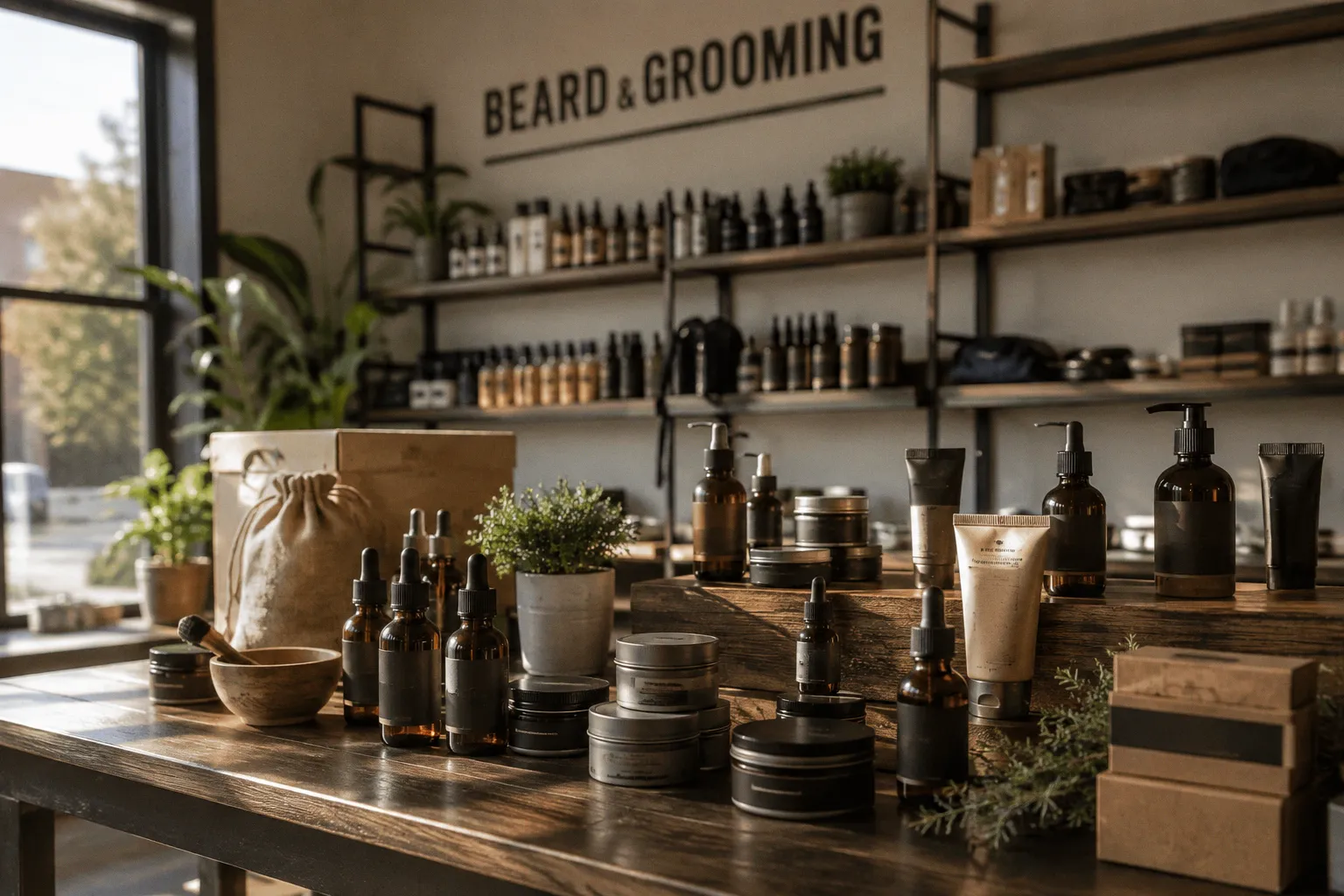
The available source material is only a headline, not a full report, so treat the figure as a reported forecast rather than a confirmed market result. For you, the useful takeaway is simpler: beard oil is becoming a more closely watched part of the grooming category, and product quality will matter more as the shelf gets crowded.
A market signal, not a reason to buy blindly
When a grooming category attracts large market forecasts, more products usually compete for your attention. That does not automatically make every bottle better, cleaner, or more suitable for your beard and skin.
Start with the basics:
Read the full ingredient list. Do not rely only on front-label language such as “natural,” “botanical,” or “premium.” Those terms may describe a product’s positioning, but they do not tell you how your skin will respond.
Check whether the product is clearly identified. The label should make it obvious that you are buying beard oil, not a general body oil or a fragranced styling product presented with beard-focused packaging.
Pay attention to your skin, not just the shine. A beard oil can make facial hair look more finished while still feeling wrong on the skin underneath. If you notice discomfort after use, stop and reassess rather than adding more product.
Use less before you use more. Start with a small amount, spread it between your palms, and work it through the beard toward the skin. More oil is not a better routine; it is usually just more residue.
The market forecast does not establish that natural products are superior, that online purchases are safer, or that one formula will work for every beard. Those are separate questions you still need to answer at the product level.
What online shopping changes for beard care
Online retail can make more grooming products available, but it also removes the quick in-person checks you get at a barbershop or specialist counter. You cannot judge the texture, scent strength, or finish from a product page alone.
That makes the product description and customer feedback more important—but neither should replace careful label reading. Look for practical information: what the product is intended for, how it should be applied, and whether the seller explains the formula clearly.
Be especially careful with dramatic claims. The available evidence confirms the market headline, but it does not provide details about specific ingredients, performance tests, consumer preferences, or the companies behind the forecast. If a listing claims rapid growth, guaranteed softness, or a universal solution for irritation, that claim needs its own evidence.
For handmade products, transparency is part of the grooming experience. A small-batch beard oil should still give you enough information to make a sensible choice. If the formula, usage directions, or product identity are unclear, move on. Good presentation is not a substitute for clear product information.
What to watch next
The headline points to a forecast through 2035, but the supplied material does not explain how that figure was calculated. It also does not confirm which brands, regions, ingredients, retailers, or customer groups are expected to drive the increase.
That leaves three practical questions for the next round of market coverage:
- Will future reports provide the methodology behind the USD 3.31 billion estimate?
- Will they separate natural grooming claims from verified product characteristics?
- Will they show whether online retail growth translates into better access, better formulas, or simply more choice?
For now, do not let a market-size prediction choose your beard oil. Use it as a reminder to sharpen your routine: check the label, apply sparingly, monitor the skin beneath the beard, and judge the product by how consistently it performs for you.
Hard rule: market momentum is not proof of product quality—your skin and a clear label still make the final call.