Why Men’s Grooming Trends Require Closer Ingredient Inspection
According to Borneo Bulletin, interest in the men’s beauty market is widening, while The Japan News reports that companies are expanding their men’s product lines as the market grows.
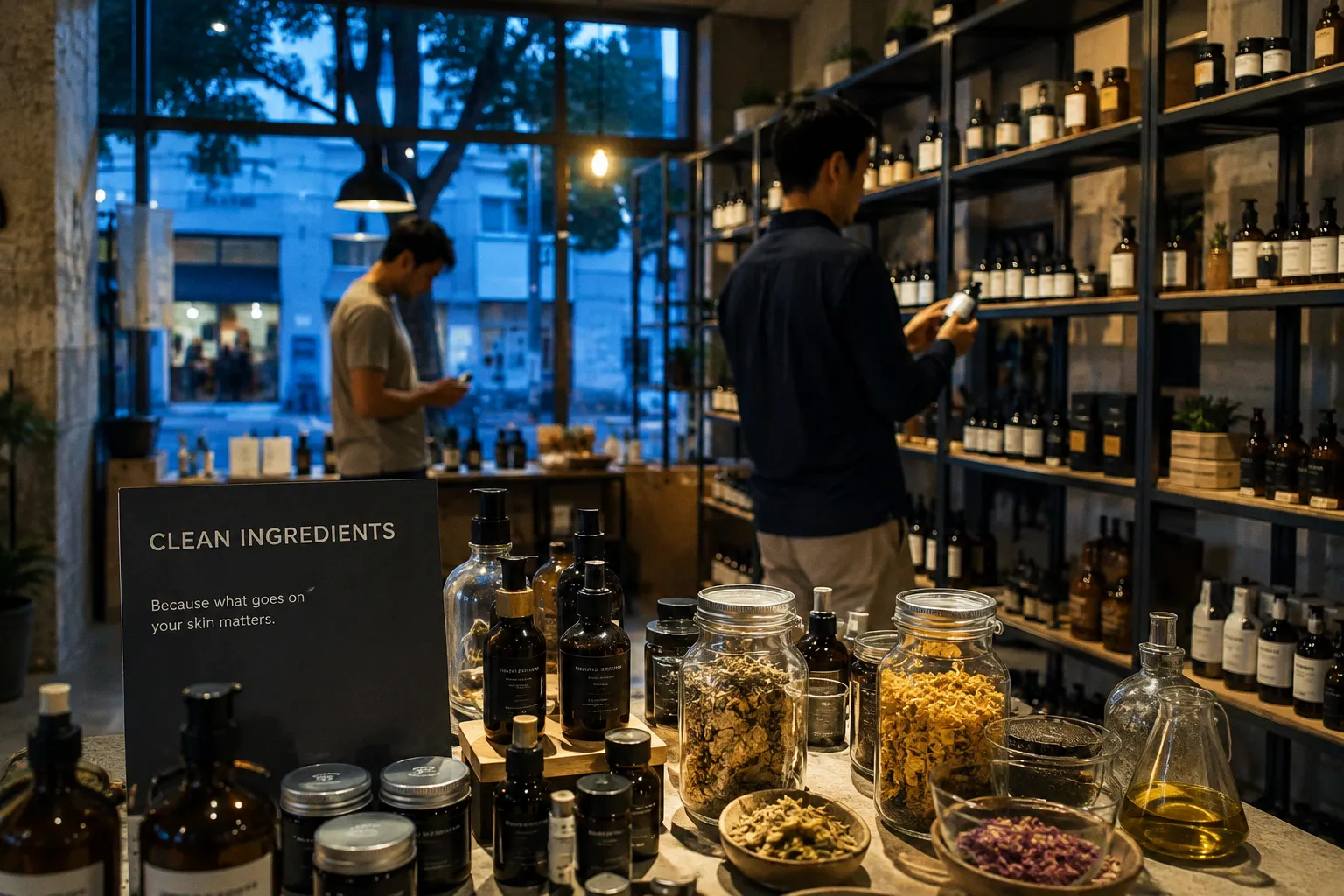
For beard-care and handmade skincare buyers, the important point is not the market label itself, but whether new products provide clear information about their formulas. The available reports do not establish which ingredients, categories, or brands are driving this interest.
Market attention is increasing, but the evidence is limited
The reporting points to two developments:
- Men’s beauty is attracting broader commercial interest.
- Companies are increasing the range of products aimed at men.
- Clean beauty is being associated with ingredient transparency, natural formulations, and sustainable beauty trends.
- A headline carried by Business Upturn, citing SNS Insider, projects the global clean beauty market to exceed USD 29.05 billion by 2035.
These are market signals, not proof that a particular beard oil, balm, soap, or facial product is effective. The source material does not provide clinical measurements, formulation comparisons, sales data, or a breakdown of the fastest-growing product types.
That distinction matters. A larger product line may indicate stronger commercial attention, but it does not automatically improve product quality. More products also mean more claims that require inspection.
What to check in a men’s grooming formula
For handmade skincare and beard care, the practical response is to evaluate the product at formula level rather than relying on the category label.
Check:
- Ingredient transparency. The clean beauty reporting specifically identifies transparency as a market driver. A product should therefore be assessed by the ingredients it discloses, not by terms such as “natural” or “clean” alone.
- Function of each ingredient. Oils, waxes, humectants, surfactants, botanical extracts, and fragrance materials serve different formulation roles. The product description should make its intended use clear.
- Potential for oxidation. Oil-based products should be considered in relation to storage, packaging, and exposure to air and light. The available reports do not provide stability data for any specific product, so no claim about shelf life or performance can be made from this market news.
- Fragrance content. “Botanical” does not describe a complete efficacy profile. Fragrance materials and essential oils should be listed clearly when present.
- Product-specific evidence. Market growth is not a substitute for testing. Look for information about formulation purpose and documented product performance rather than assuming that popularity confirms efficacy.
This is especially relevant to beard products. A beard oil, balm, wash, and skin cleanser are not interchangeable formats. Their textures and ingredient systems are designed for different application conditions. The current reports do not identify which format is expanding most rapidly, so broad conclusions would be premature.
The useful signal for independent makers
The commercial shift may create more space for men’s grooming products, but it also raises the standard for communication. If companies are expanding product lines while clean beauty trends emphasize transparency, ingredient lists and precise usage information become more important than demographic packaging.
For readers, the evidence-based verdict is narrow: men’s beauty is receiving wider market attention, and clean beauty is being linked to transparency, natural formulations, and sustainability. The reports do not prove that newer products are more effective, safer, or better formulated. Evaluate the INCI list, the product format, and the stated function separately. Market growth is context—not efficacy data.